
CoDe Conference 2026: Circularity
- Date
- Time
- 1:00pm–6:00pm
- Venue
- PTW Sydney
- Keynote
- Professor Christiane M. Herr
Computational Design graduate capabilities.
- 01Computational modelling
Parametric, generative and systems-based design
- 02Digital fabrication
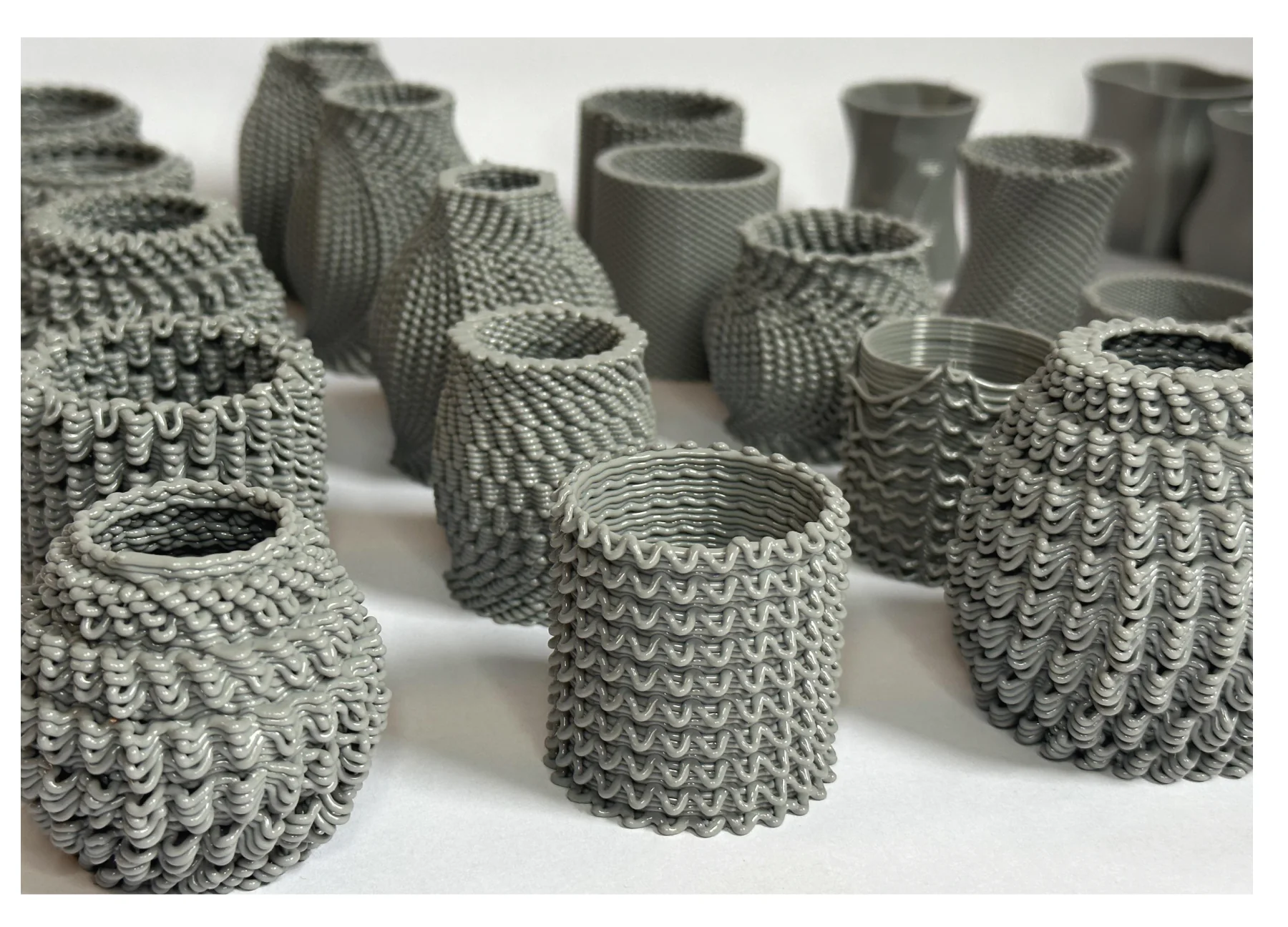
Robotic, CNC and additive making
- 03Data-informed design
Urban analysis, simulation and visualisation
- 04Responsive environments
Interactive and adaptive spatial systems
- 05Material exploration
Computational approaches to matter and performance
- 06Collaborative practice
Design work developed with industry and research partners
- 07AI-assisted design
Critical and purposeful use of AI in design workflows
Research specialisations.
- 01Parametric design, digital fabrication and robotics
Computational workflows that connect geometry, materials and making.
- 02Responsive systems, media architecture and smart cities
Interactive systems that sense, communicate and adapt.
- 03Urban data, environmental analysis and optimisation
Evidence-based approaches to cities, movement and environmental performance.
- 04Biomimetics, sustainability and material systems
Design strategies informed by biological processes and material behaviour.
- 05Socio-technical systems, pedagogy and design methodology
Research into the people, practices and technologies that shape design work.
- 06AI, simulation and decision support
Computational methods that help designers compare possibilities and explain decisions.